

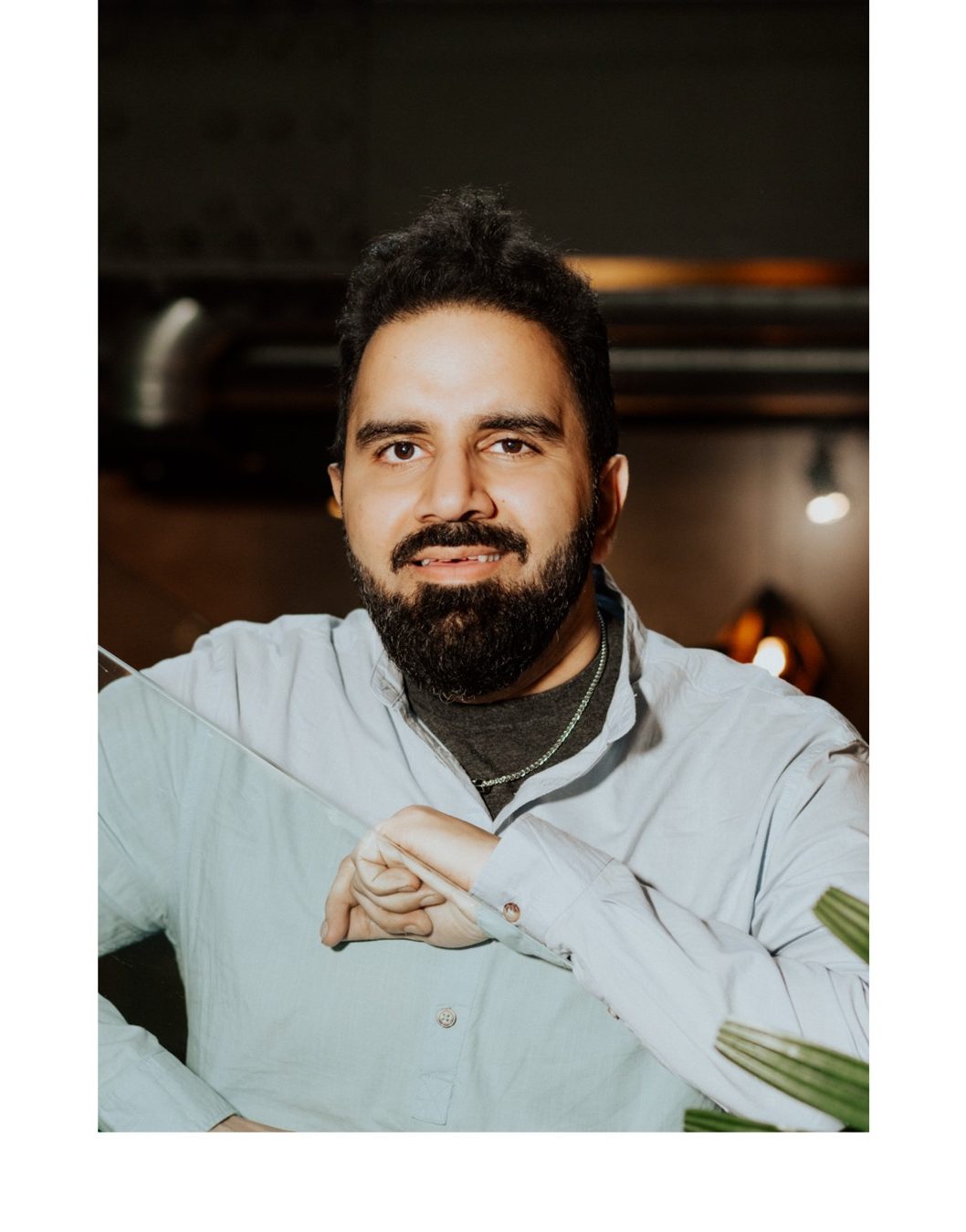
Text und Fotografie: Nadine Wilmanns
Wie Bilder deine Sichtbarkeit bei Google verbessern
Im Gespräch mit Dillan Gandhi
„Was müssen meine Kunden eingeben, um bei Google und KI gefunden zu werden — und passt das wirklich zum Unternehmen? Wenn du in der Suche nicht auftauchst, hast du keine Marke.“
(SEO Experte Dillan Gandhi, Searchlight London)
Als Fotografin und Videografin mit Sitz in London und Süddeutschland denke ich viel darüber nach, wie Bilder online erscheinen — nicht nur darüber, wie sie aussehen, sondern auch darüber, wie sie funktionieren. Natürlich gibt es den visuellen Aspekt: Menschen halten sich gerne auf Websites auf, die ästhetisch ansprechend gestaltet sind. Hinzu kommen verschiedene psychologische Faktoren: Menschen kaufen von Menschen, das heißt, sie möchten die Person oder das Team hinter einem Unternehmen sehen. Außerdem entsteht Professionalität oft über den visuellen Eindruck — viele beurteilen die Qualität eines Unternehmens anhand seiner Bildsprache. Und schließlich schaffen Fotos und Videos emotionale Verbindungen, die eine zentrale Rolle bei Kaufentscheidungen spielen.
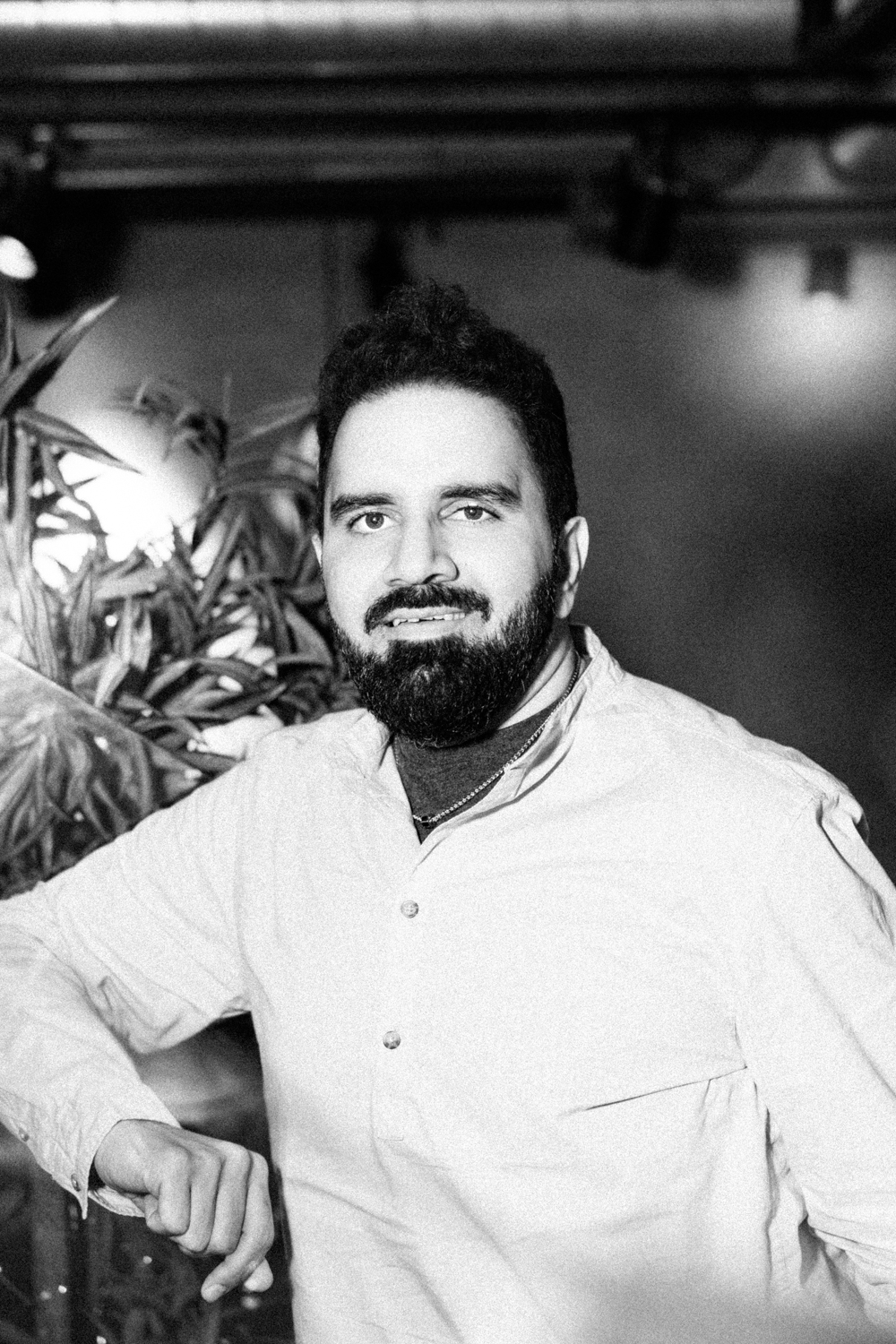
Dillan Gandhi
Doch der intelligente Einsatz von Bildern kann auch einen enormen Unterschied für SEO machen — also dafür, ob ein Unternehmen online gefunden wird, wenn jemand nach relevanten Begriffen sucht. Ich habe dazu einen Experten gefragt: Dillan Gandhi von Searchlight London, SEO- und Digital-Marketing-Spezialist. Seine Frage lautet: Wie können Bilder deine Sichtbarkeit in der Suche verbessern?
Mit zwei Jahrzehnten Erfahrung in den Bereichen Retail, Hospitality, Finance und Technologie — und einer durchschnittlichen 17-fachen Rendite für seine Kunden im Jahr 2025 — weiß Dillan Gandhi, wie aus digitaler Sichtbarkeit echte geschäftliche Ergebnisse werden. Und das beginnt mit etwas, das viele komplett übersehen: dem Umgang mit Bildern auf der eigenen Website. Hier sind seine wichtigsten Tipps:
1. Bilder vor dem Upload verkleinern
Eine 24-MB-Datei in voller Auflösung direkt auf die Website hochzuladen, gehört zu den häufigsten — und teuersten — Fehlern vieler Unternehmen. Zu große Bilder verlangsamen deine Website, und langsame Websites verlieren Besucher schnell. Ladegeschwindigkeit ist nach wie vor ein wichtiger Ranking- und Nutzerfaktor.
Gandhis Faustregel: Verkleinere Bilder vor dem Upload so, dass die längste Kante maximal 2.000 Pixel beträgt. Die meisten Plattformen übernehmen den Rest der Optimierung. Deshalb liefern Fotografen in der Regel sowohl weboptimierte Bilder als auch dieselben Dateien in voller Auflösung.
Übrigens: Viele Plattformen wie Squarespace oder WordPress komprimieren Bilder automatisch. Aber sie können kein Bild retten, das von Anfang an viel zu groß hochgeladen wurde. Deshalb: zuerst selbst optimieren.
2. Dateinamen richtig benennen
Eine Datei namens IMG_4872.jpg? Google kann sie sehen — aber der Name sagt Google absolut nichts. Gandhis Empfehlung: Benenne Bilddateien mit deinem Namen und — wenn du mit einem bestimmten Bereich verbunden werden möchtest — auch mit deiner Spezialisierung. In meinem Fall wäre zum Beispiel „nadine-wilmanns-photographer-videographer.jpg“ sinnvoll. So bekommt Google bereits Kontext darüber, wer du bist und was du machst, bevor das Bild überhaupt analysiert wird.
Warum das wichtig ist: Google crawlt den ursprünglichen Dateinamen. Ein beschreibender Dateiname ist kostenlose SEO — verschwende diese Chance nicht.
3. Gib deinen Bildern einen Titel
Zusätzlich zum Dateinamen besitzt jedes Bild auf deiner Website ein Titelfeld. Auch das ist eine oft ungenutzte Möglichkeit, Google zu erklären, worum es in deinem Bild geht und wofür du gefunden werden möchtest. Bildtitel haben zwar nicht dieselbe Bedeutung wie Alt-Texte, liefern aber zusätzlichen Kontext — sowohl für Suchmaschinen als auch für Nutzer.
4. Immer einen Alt-Text schreiben
Alt-Texte beschreiben Bilder und helfen Google zu verstehen, was auf einem Bild zu sehen ist. Gandhi erklärt es ganz einfach: Stell dir vor, du beschreibst das Bild einer Person, die es nicht sehen kann. Genau diese Beschreibung ist dein Alt-Text. Er muss weder besonders kreativ noch mit Keywords überladen sein — sondern einfach präzise und natürlich.
Anstatt das Feld leer zu lassen oder einfach „Foto“ zu schreiben, wäre zum Beispiel sinnvoll: „Optikerin in ihrem Geschäft in Süd-London.“ Alt-Texte verbessern außerdem die Barrierefreiheit deiner Website — gut für Besucher und für deine Glaubwürdigkeit. Wichtig dabei: Versuche nicht zu „tricksen“, indem du nur Keywords hineinschreibst. Alt-Texte sollten Bilder zuerst natürlich beschreiben und nicht primär für SEO geschrieben werden.
5. Bildunterschriften nicht vergessen
Bildunterschriften gehören zu den am meisten unterschätzten Bereichen der Bild-SEO. Google liest sie und nutzt sie, um den Inhalt deiner Seite besser einzuordnen. Eine gute Caption liefert Kontext, den weder Dateiname noch Alt-Text vollständig abdecken können. Gleichzeitig helfen Bildunterschriften auch deinen Besuchern — viele Menschen lesen zuerst die Bildunterschrift, bevor sie den eigentlichen Text lesen.
Der Kontext dahinter: Google und KI-Systeme verstehen heute Kontext, Suchintention, Zusammenhänge und semantische Relevanz deutlich besser als früher. Keywords allein sind deshalb nicht mehr so mächtig wie noch vor einigen Jahren. Entscheidend ist Relevanz — und je mehr Kontext du über Titel, Alt-Texte, Captions und Dateinamen lieferst, desto besser versteht Google, worum es auf deiner Website geht und wem deine Inhalte angezeigt werden sollten.
6. Zeig, wie die Wurst gemacht wird
Wenn alle Websites einer Branche dieselben perfekten Endergebnisse zeigen — das perfekte Foto, das fertige Produkt — dann fallen die Unternehmen auf, die bereit sind, auch den Prozess dahinter zu zeigen. Gandhi formuliert es so: „Viele zeigen die fertige Wurst. Ich würde zeigen, wie die Wurst gemacht wird.“ Behind-the-scenes-Bilder, Arbeitsprozesse und echte Momente machen dich nicht nur interessanter — sie machen dich glaubwürdiger. Und Vertrauen, sagt Gandhi, ist letztlich das, was Conversions erzeugt. „Menschen vertrauen Gesichtern. Wenn sie eine echte Person sehen, gibt ihnen das die Sicherheit, dass hinter dem Unternehmen tatsächlich jemand steht - den sie im Notfall auch zur Rede stellen könnten, falls was schief läuft.“
Du siehst: Deine Bilder sind weit mehr als bloße Dekoration. Richtig eingesetzt — und technisch korrekt umgesetzt — arbeiten sie gleichzeitig für die Effektivität deiner Webseite, sind Vertrauenssignal und helfen dir dabei, auf Google gefunden zu werden.
Dillan Gandhi ist Digital-Marketing-Stratege und SEO-Berater bei Searchlight London. Searchlight LondonIn seinem neuesten Angebot, ‚SEO Essentials‘, konzentriert sich Dillan Gandhi auf die technischen Grundlagen, die Unternehmen dabei helfen, ihre Sichtbarkeit bei Google und in der KI-gestützten Suche zu verbessern – von der Website-Performance und Indexierung bis hin zur suchoptimierten Inhaltsstruktur. Erfahre hier mehr: www.searchlight.london/services/seo-essentials/
Als internationale Fotografin und Videografin mit Sitz in Großbritannien und Deutschland erstelle ich authentische visuelle Inhalte für Marken, Unternehmen und Unternehmer.
Mehr über mein Business Angebot findest du hier:
www.nadinewilmanns.com/business-offer