

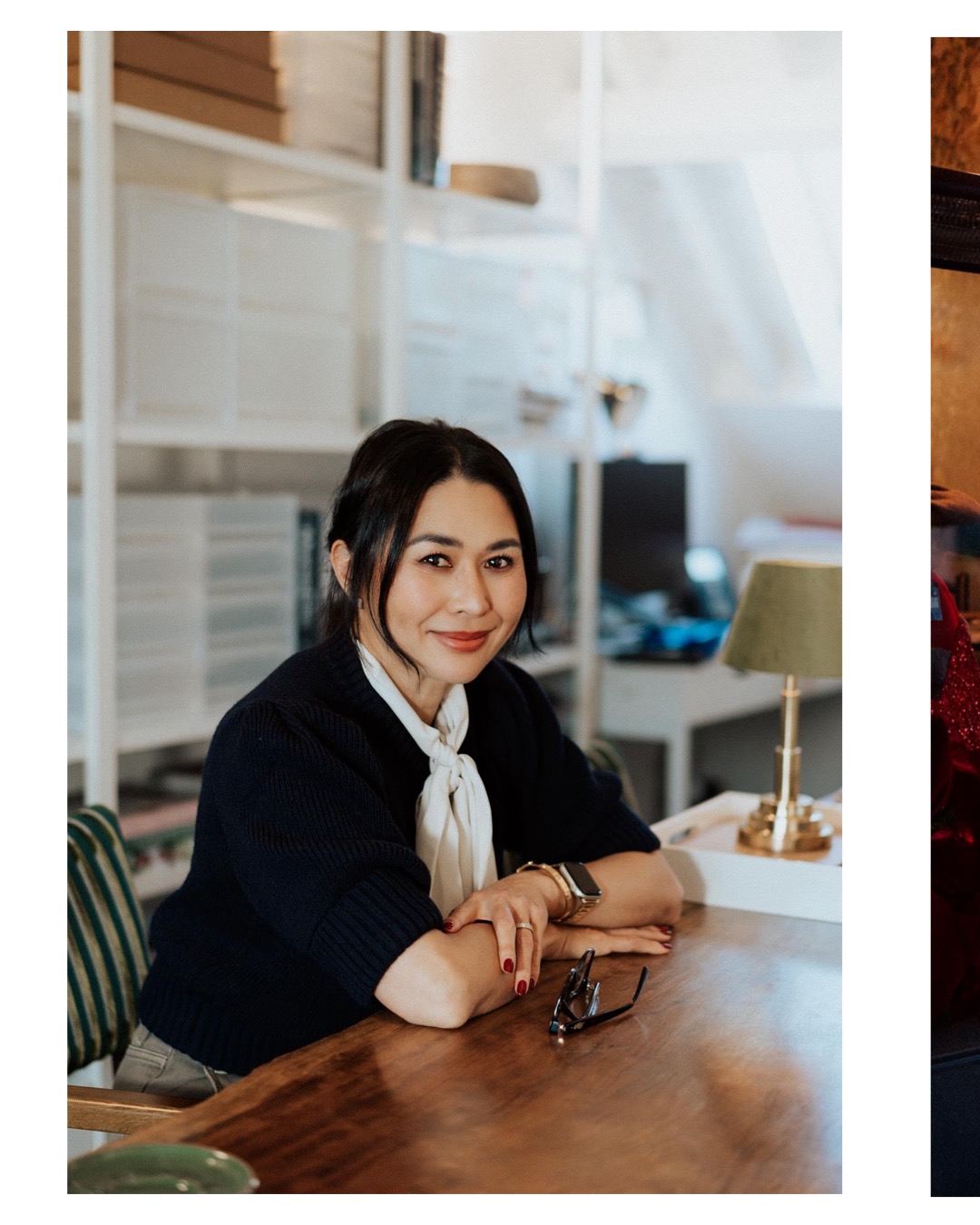
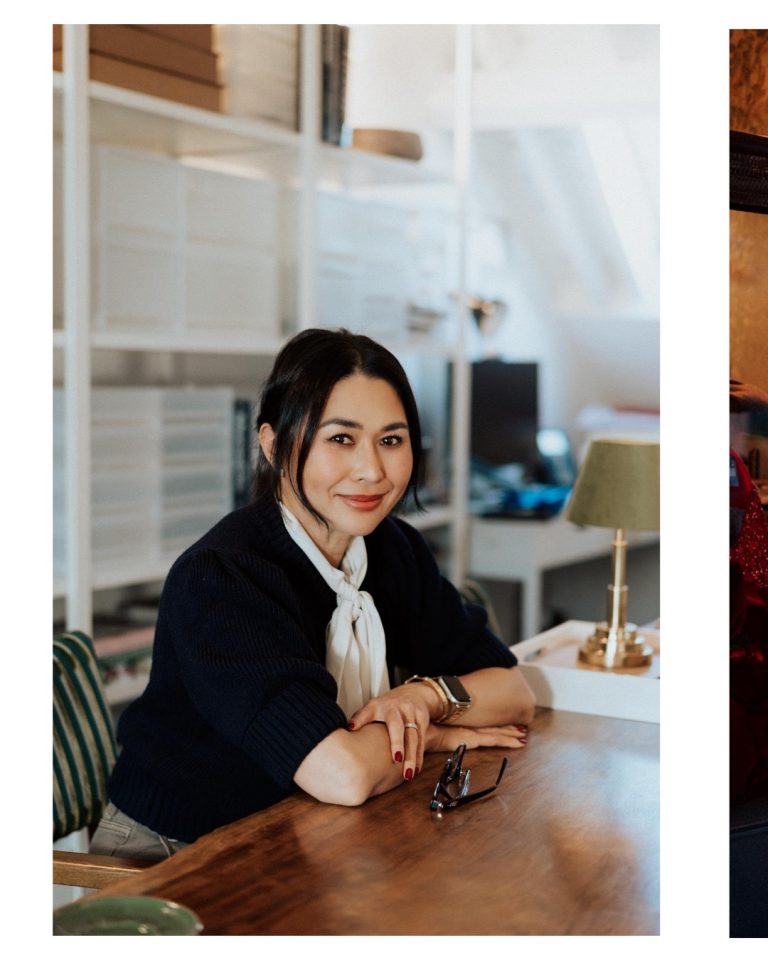
Words and Photography by Nadine Wilmanns
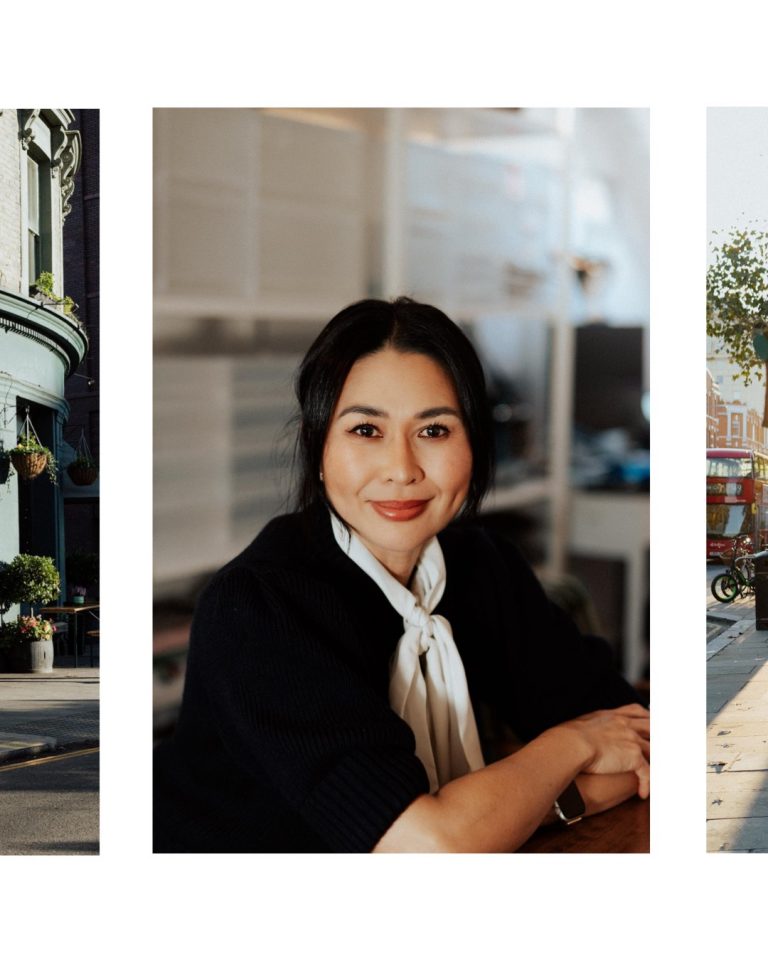
Susan Chesney
In Conversation with London Interior Designer Susan Chesney
“Balance,” replies interior designer Susan Chesney when I ask her about how she would describe her style. “Materiality is important. I’m not a maximalist and not a minimalist either. I like a layered approach, I’m detail-oriented and a sense of history will always be present, and I like balanced elevation.”
I’m visiting Susan in her studio in Chelsea in the South West of London – right next to the Chelsea Design Quarter – an area that is full of interior professionals. Chelsea itself is such a pretty area in London, so as I’m there anyway, I’m taking some time before my visit to have a little wander in the area and make use of the lovely winter light to take some photos.
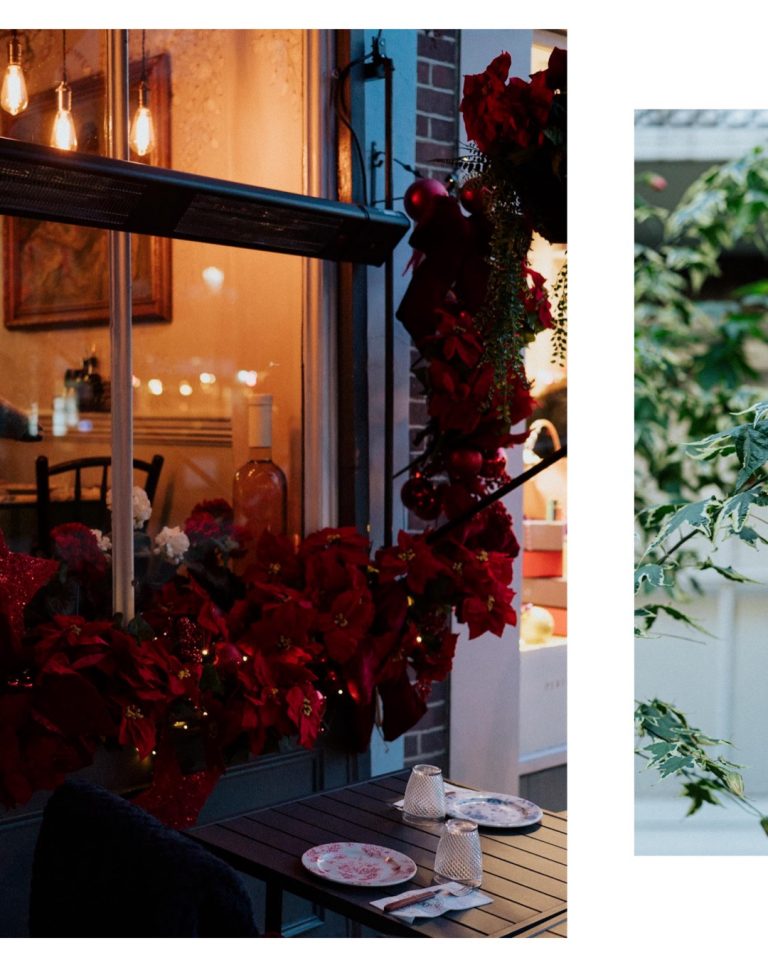
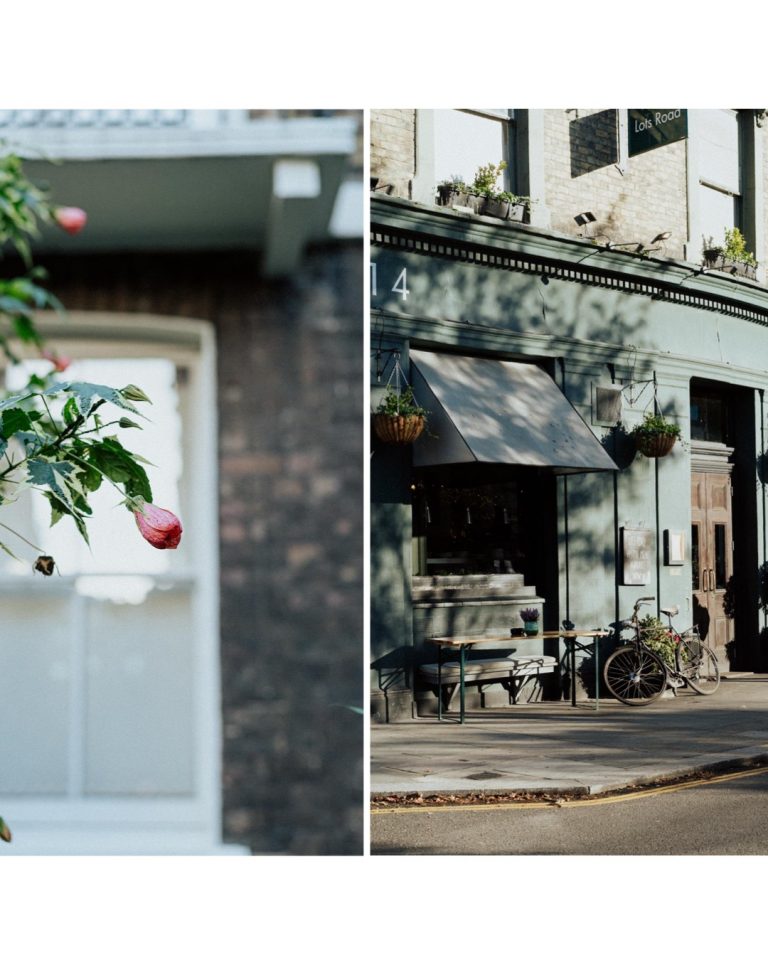
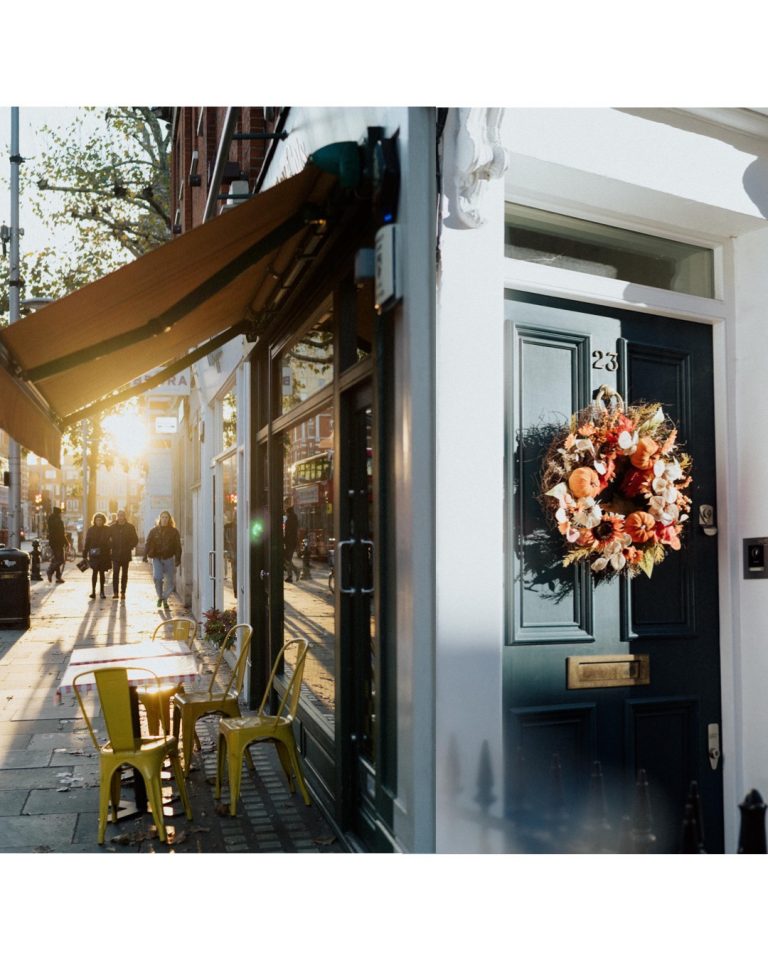
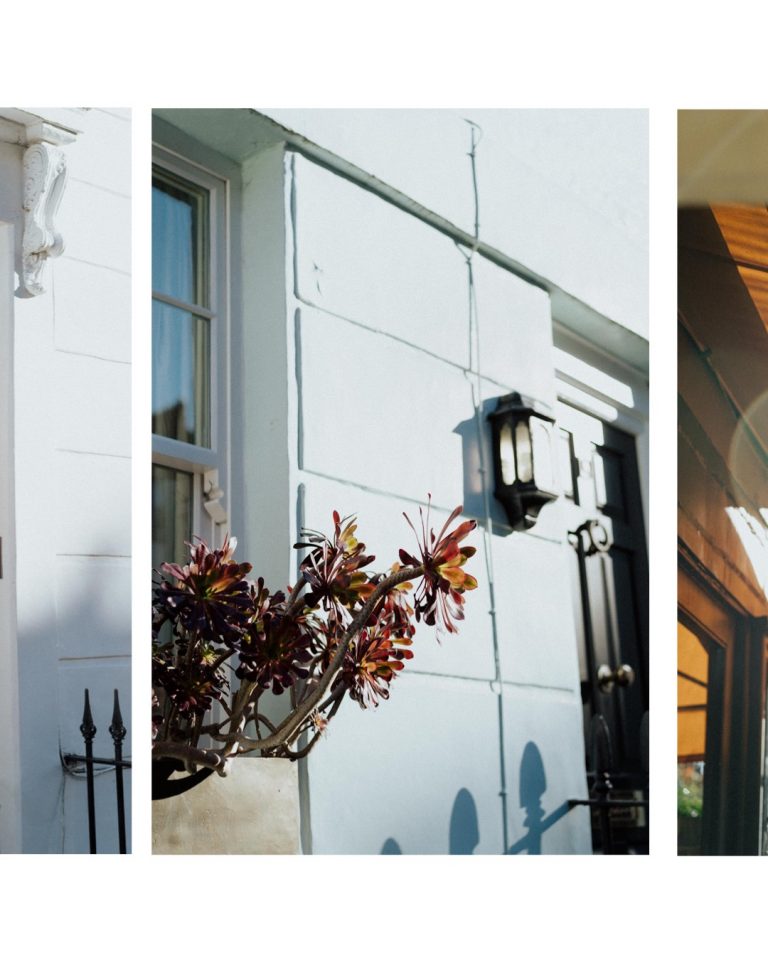
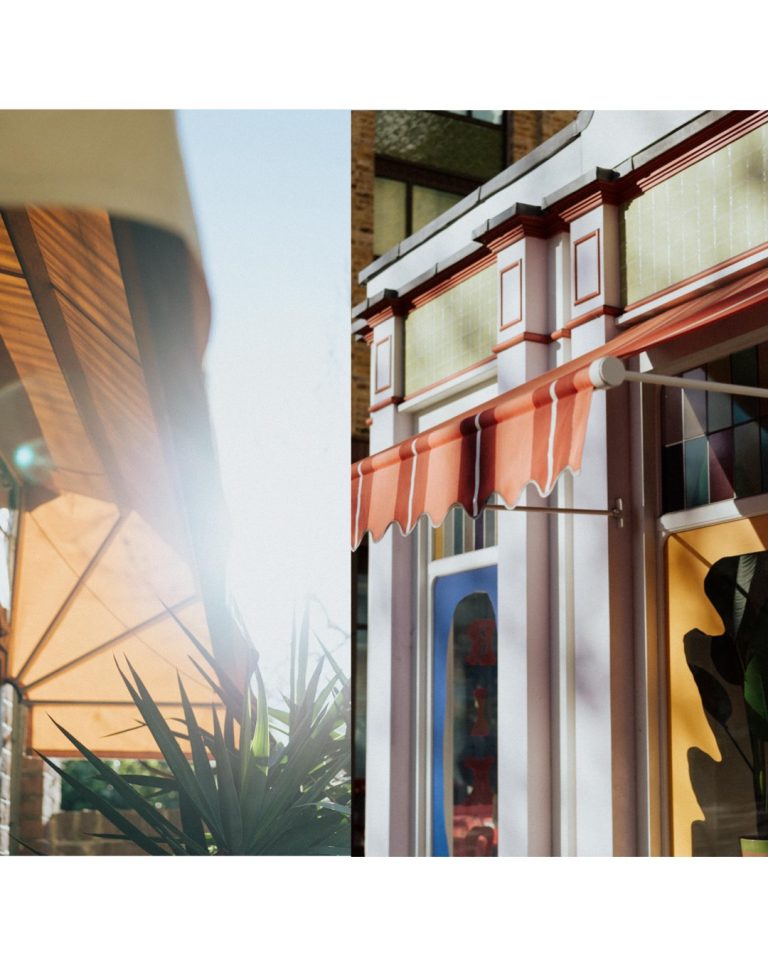
Balance
Eventually, I make my way to the World’s End Studios where Susan has her office. Susan originally grew up in the US, she tells me, and later moved to Japan. After the horrific earthquake in 2011, she and her husband decided that it wasn’t safe for their young family to stay, and they moved to London. Susan has a background in fashion and had studied psychology and sociology. However, she felt driven to interior design – and in the course of our conversation, it shows that both fashion and psychology are very much part of her job still.
“My signature approach is seeking balance and a clean style,” Susan tells me. It’s funny how things sometimes coincide. Only a few days ago, I had been thinking about how essential the idea of balancing is in life in general. We all have a number of different roles in life – in my case, for example, photographer, friend, girlfriend, Christian, family member, … and at the same time, we have our individual priorities. To balance them all is not always an easy task.
Layers and Materiality
Susan’s balanced approach could come in quite useful when it comes to designing our week. I find you can take her quote mentioned in the beginning of this post and put it directly into practice, be it in arranging your living room or your calendar:
Applying layers: A layer of desk work may be balanced with a layer of meeting friends. A layer of activity and being out and about may be balanced with a layer of being at home.
Materiality: We like to have substance, to Feel something. On a sofa, we may enjoy feeling the surface of soft, velvet cushions. The same may be said about our activities. We want to do stuff with substance. Something we can look forward to and something we are happy to look back on.
Details and History
Neither a maximalist nor a minimalist: For most people, too little in a room feels not “homely,” and too much creates overwhelm. Similarly, most people need to have both: activity and rest, work and downtime. Having too much of one in a week may leave us either exhausted or frustrated.
Detail-oriented: It’s often the details that make a room – one of the most common that comes to mind: flowers. Our weeks may look so much better if we add some details to it, too – like going to a new coffee shop, or I have just lit a small beeswax candle while I’m writing.
A sense of history: I love that Susan mentioned this. History, whether our personal history or cultural, always informs how we style our rooms and our weeks.
Elevate
Balanced elevating: This is probably my favourite one. Balanced doesn’t necessarily mean that all is equally important; some things can be elevated. On some days, marketing could be elevated, on another day, it’s a family commitment, my church group, or preparing a photo session.
While there are people who thrive in chaos or in minimalist spaces, I still think that in the long run, humans are drawn to some kind of balance. What’s the “right” kind of balance is very personal and individual. “With every client, it’s a personal journey”, explains Susan.”There is emotion involved; it takes a lot from you. Many of my clients are surprised how close we become during a project.” Thinking about it now, it makes a lot of sense. Ultimately, Susan’s approach of designing a room—achieving harmony, managing layers, honouring history, and finding balance in elevation—are fundamentally human principles. They speak to our deep, biological need for stability and order, whether we are arranging furniture or arranging our commitments.
Find out more about Susan Chesney here: www.susanchesney.co.uk