


Words and Photography by Nadine Wilmanns
Why rest makes us better photographers (and creatives)
“Are you tired? Worn out? Burned out on religion? Come to me. Get away with me and you’ll recover your life. I’ll show you how to take a real rest. Walk with me and work with me—watch how I do it. Learn the unforced rhythms of grace. I won’t lay anything heavy or ill-fitting on you. Keep company with me and you’ll learn to live freely and lightly.”
(Matthew 11:28-30 The Message Bible)
The more I rush through my days—editing, emails, content, meetings, admin—the less I actually see. And that’s a problem, because my work depends on seeing.
The challenge is that rest doesn’t come easily to me. When you love what you do, there’s always one more thing you could work on. And with phones and laptops, work is never really far away.
I`ve been listening to a great book by John Mark Comer “Garden City: Work, Rest, and the Art of Being Human”. He describes the art of Sabbath, the cultivating of an environment to enjoy life, the world, and God. I would love to finally master this life-giving rhythm of a well-rounded week that I have been struggling with for the biggest part of my self-employed life.
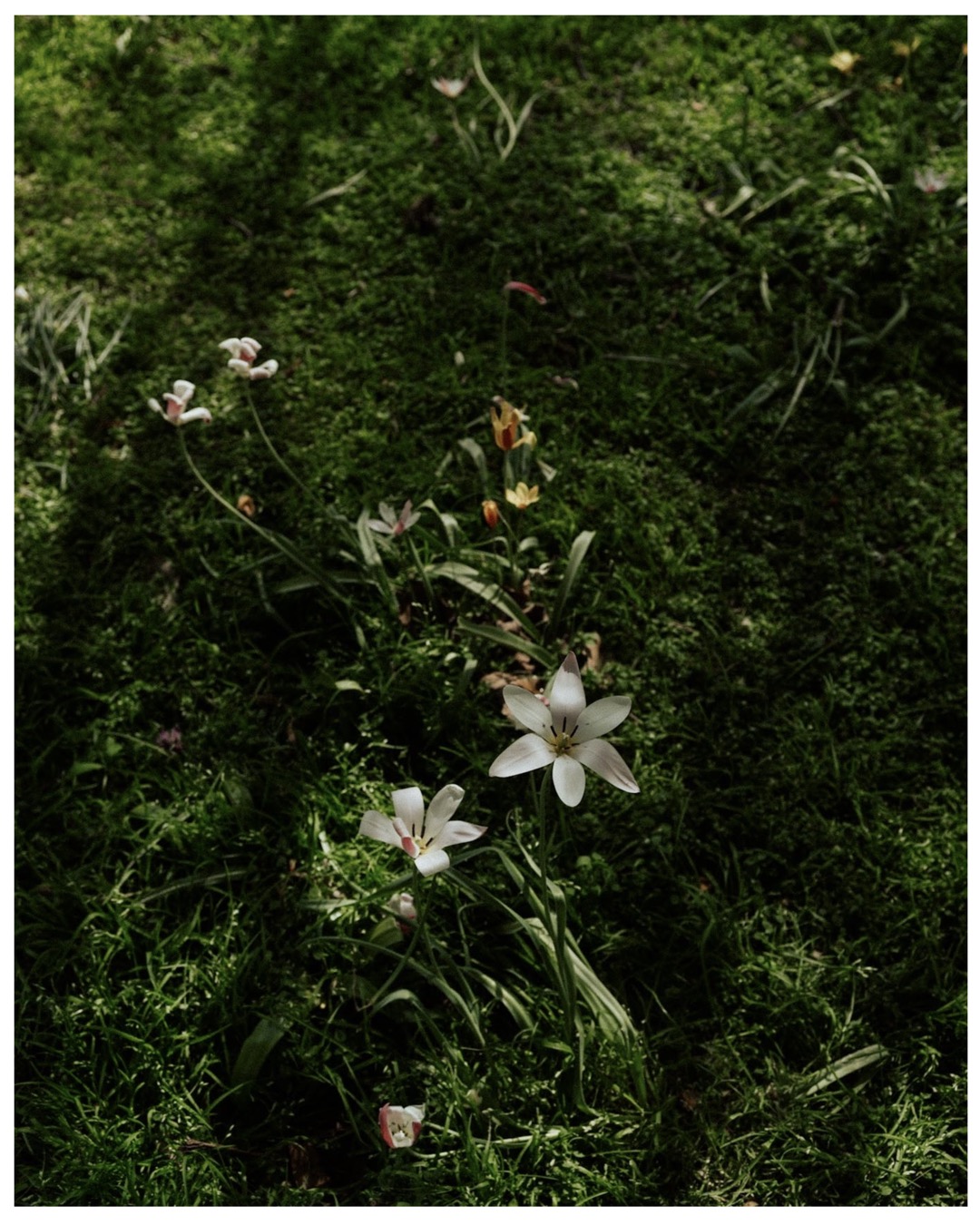
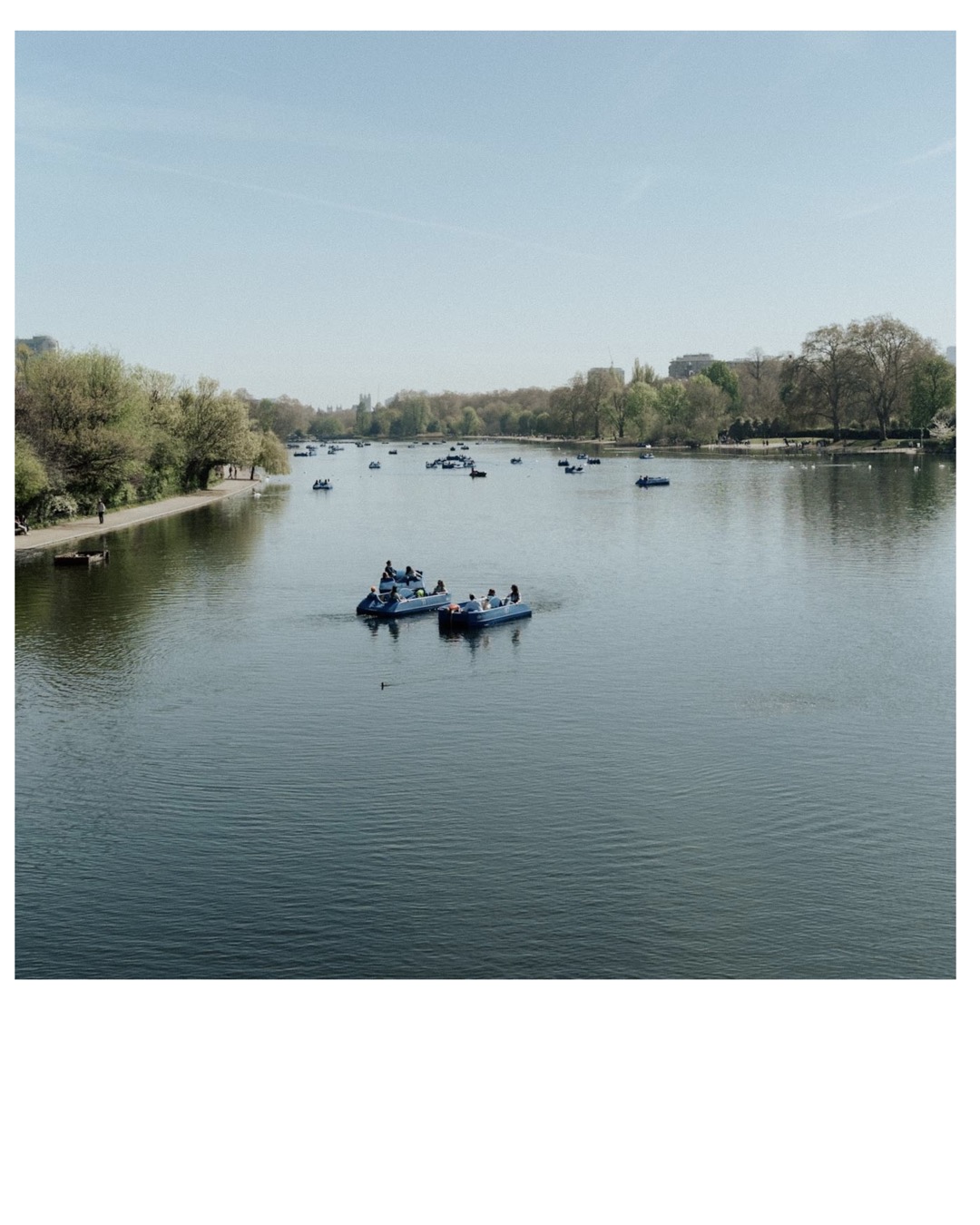
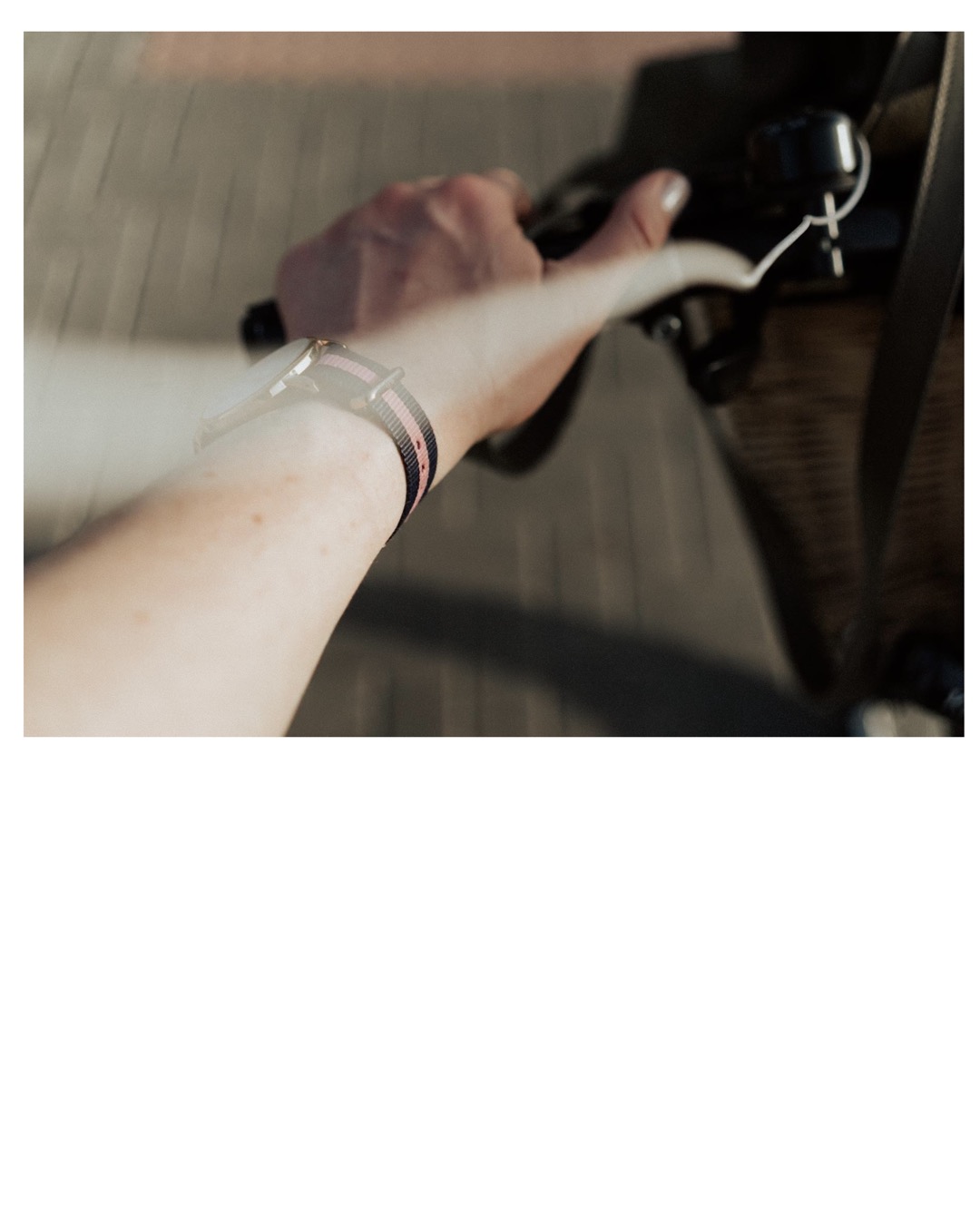
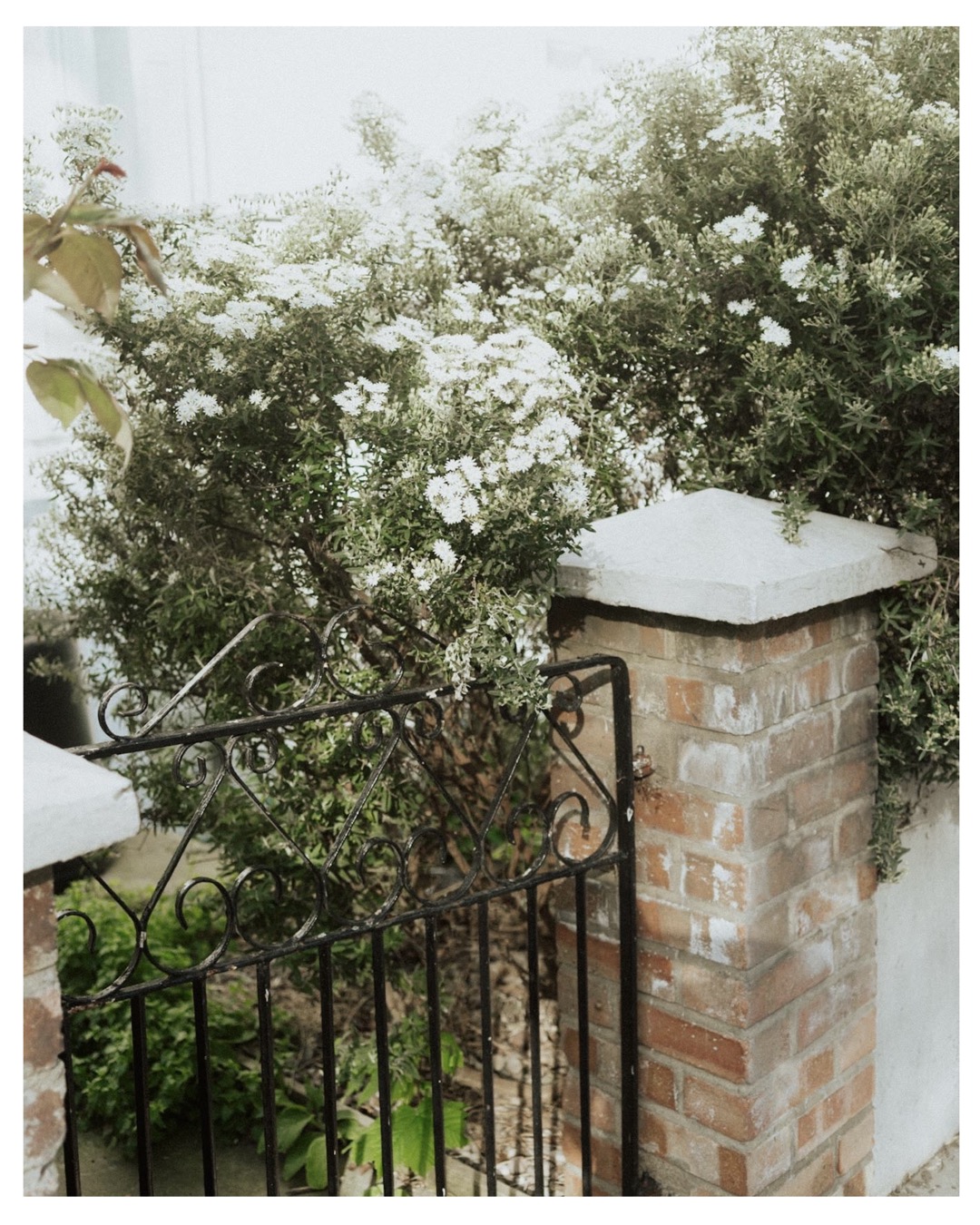
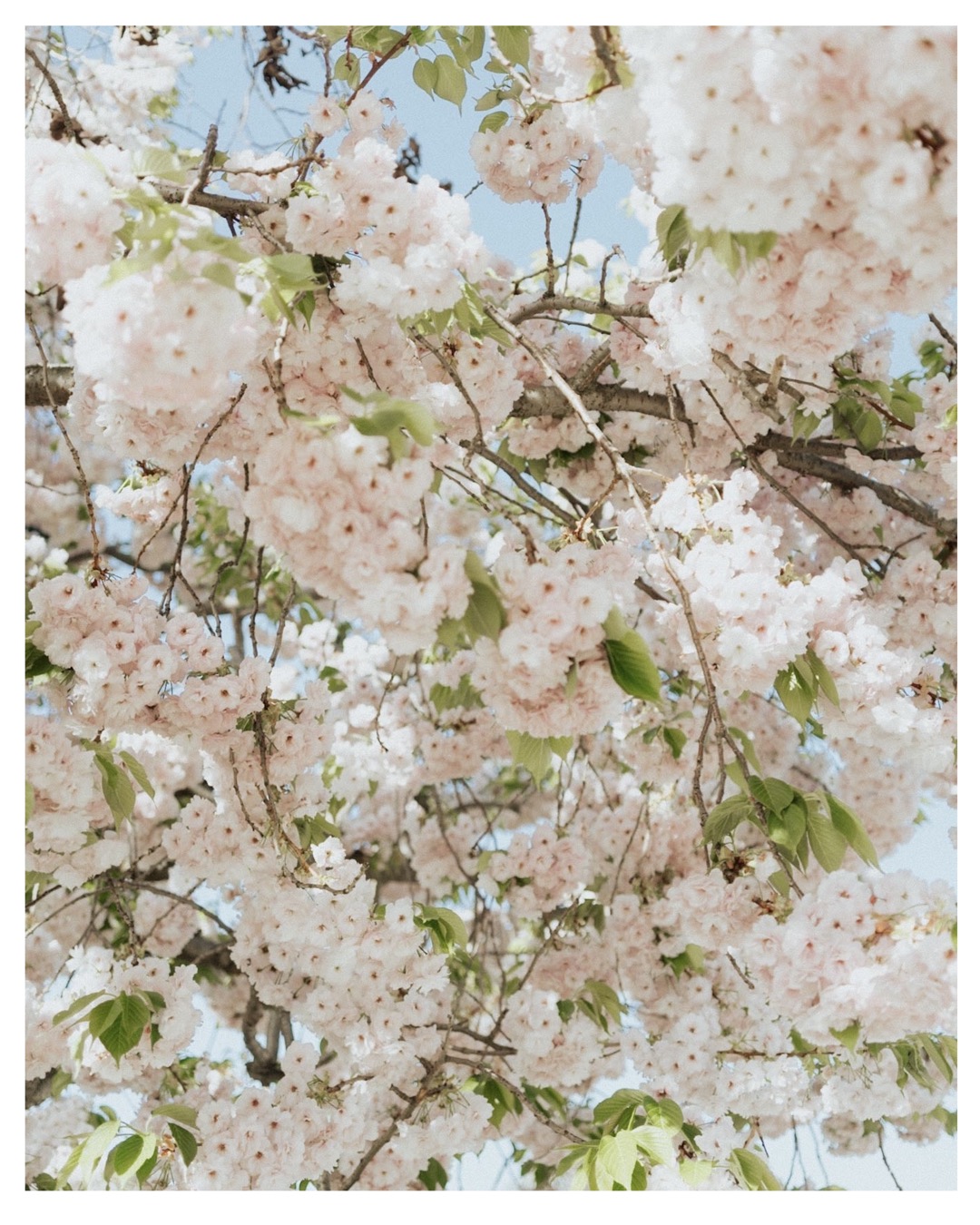
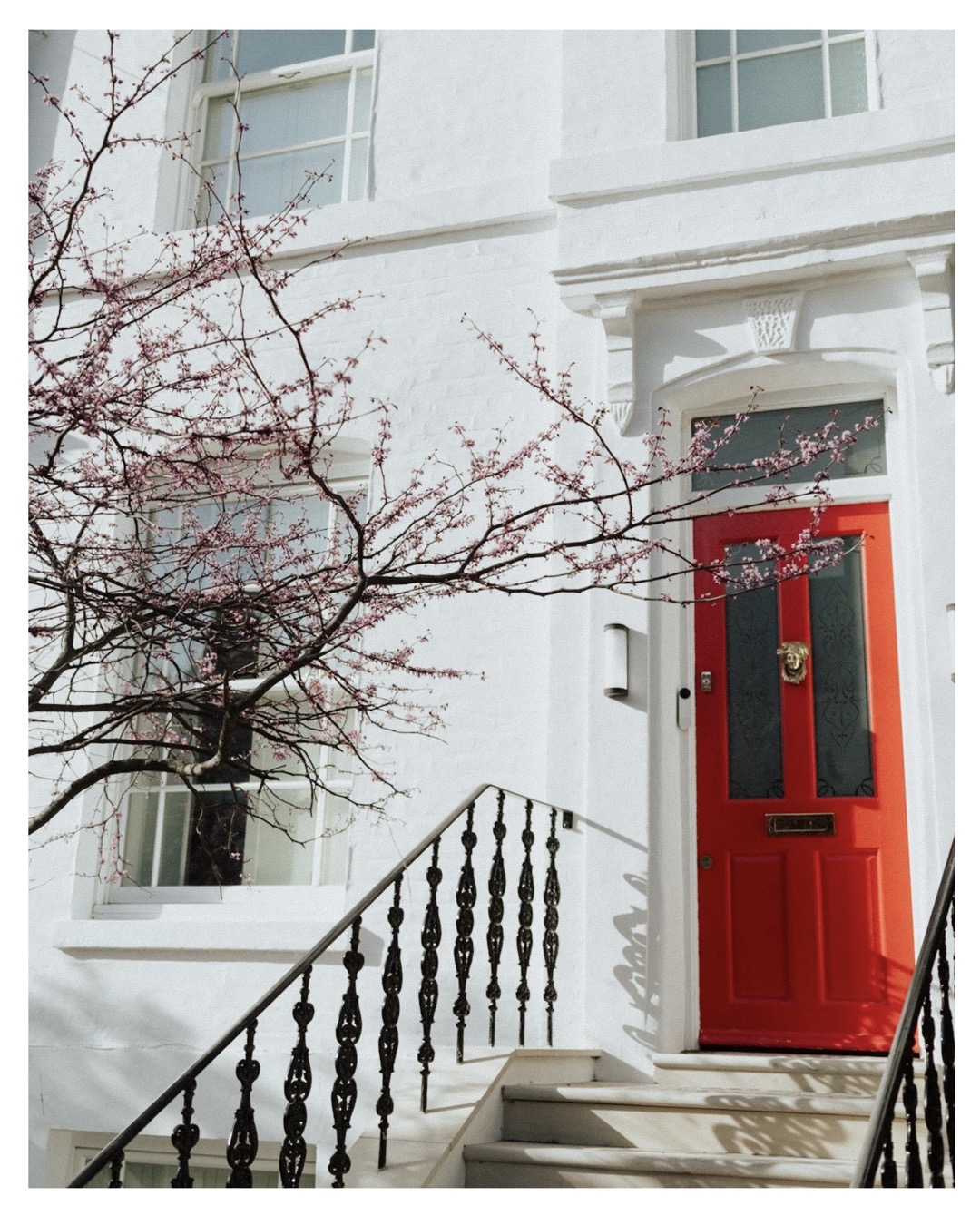
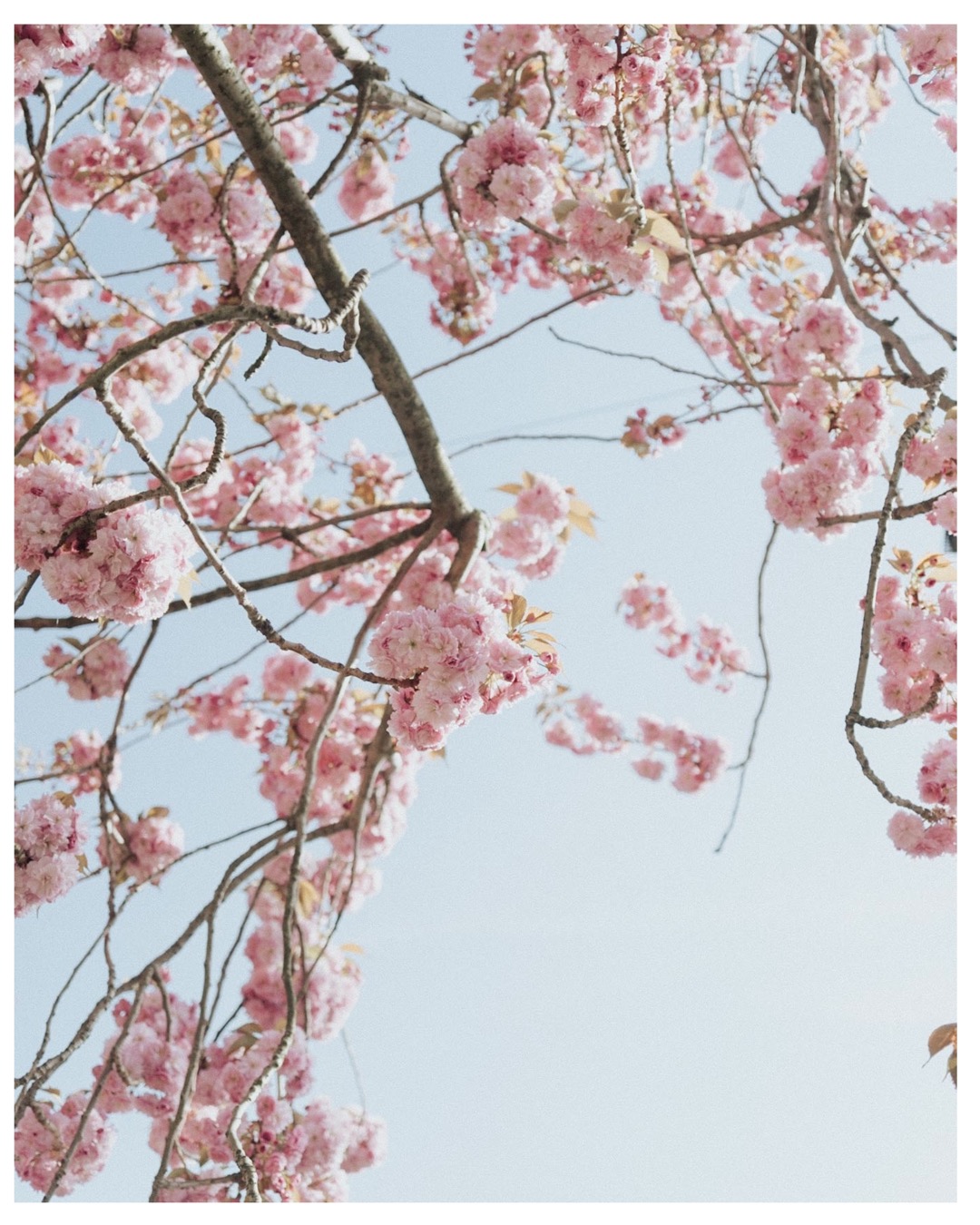
We are finally in the home stretch to the bright and warm part of the year. Last week, I rode home from the City passing Borough Market in East London on my bike, peeling off layers until I was in a T-shirt—warm wind and sun on my face, the smell of blooming pink and white trees in the air. How much I’ve missed that. Of course, being a photographer 24/7 and just loving to take photos so much, I had my camera hanging over my shoulder. And I think I took about ten or more photos of my bare arm that day – as I usually do with stuff that makes me happy.
Everyday Happymakers
It’s a funny—and maybe slightly odd—habit as a photographer, I guess. But photographing happymakers just amplifies the feeling for me, so I don’t really mind if it looks a bit strange.
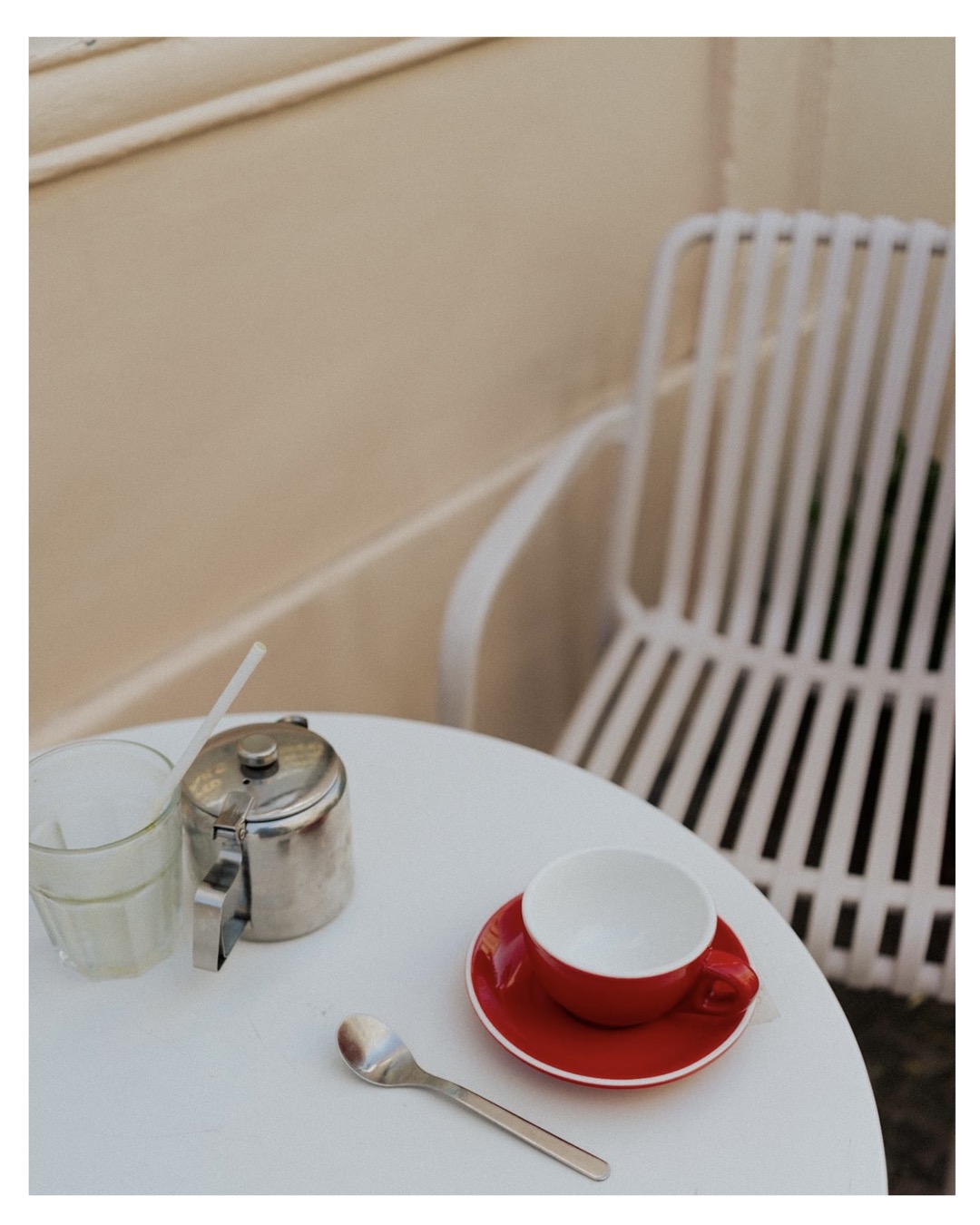
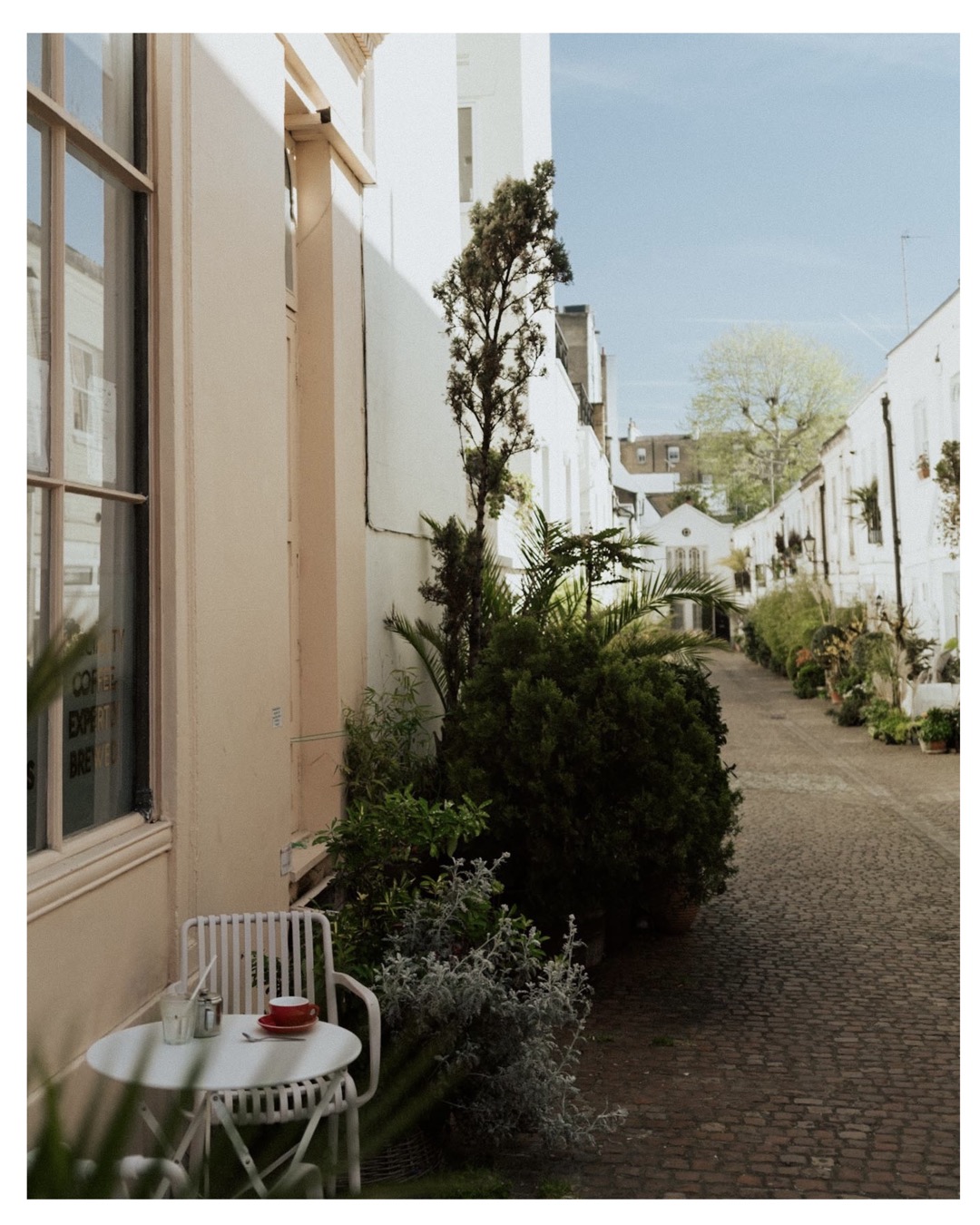
Recently, I was sitting in a coffee shop in Covent Garden in the City waiting for a meeting, and the light on the table was so beautiful that I ended up taking easily 30 photos of my chai latte in that sun spot. People probably wondered what I was doing, but I cannot care about that, because moments like that matter to me.

Summers are numbered
Anyway, back to the topic: The warm season of the year is fast approaching – even in London. That said, I’m aware that my warmer halves of the year are somewhat limited. It’s not that I’m 20 and have easily another 30 light-hearted summers ahead of me. So I need to make these count and celebrate the seasons.
This spring, I’m looking ahead to truly noticing every day and not getting caught up in rushing through my days, ticking off an endless list of tasks, looking at screens, publishing content, organizing photo sessions, arranging and rearranging meetings, networking, doing my bookkeeping… While none of these are anything like burdensome to me (apart from the bookkeeping, maybe), it’s only enjoyable in moderation. Balance is the name of the game.
Introducing Sabbath
Most of all, I want to trust more in God, who can set all things right, who can help me meet the right people, and who provides. For most of my self-employed life, I have had quite some difficulties with the idea of “Sabbath” or Sunday, or having one day set apart to pause and connect with God. While I have always intended to do absolutely nothing work-related on one day of the week, I more often than not start on some work at some point during the day. And if I don’t do anything related to my business, I often end up doing other “useful” things like cleaning or catching up with tasks that I haven’t gotten around to doing during the week.
Why rest feels so hard
I can very much relate to what author John Mark Comer writes in his book Garden City: Work, Rest, and the Art of Being Human. He says before he knew about the “art of Sabbath,” his day off was the worst day of his week:
“I realized later that one of the many reasons I hated my day off was because I was addicted to the drug of production. The stimulating sensation you get from accomplishment and accumulation. There’s nothing like the feeling of getting stuff done.”
The Addiction to Productivity
On his day off, he would go through withdrawals. No matter how hard he had worked that week, he would feel lazy and, as a result, guilty. “The temptation to just check my email, or text that guy back, or pop into the office for a minute, or get ahead on my teaching for the weekend—it was overwhelming.” Well, I can tell you I feel that. It happens when you love your job I guess but even if you love something it can become too much.
Loss of Focus
Mobile phones, laptops, and home offices aren’t exactly helping – work is always at our fingertips. John Mark Comer writes: “Our so-called labour-saving devices have actually skyrocketed the amount of hours we work. You used to have to go to the office or to the job site to work. Now all you have to do is reach out and grab your phone off your bedside table.”
The Danger of Creative Burnout
As a photographer and videographer, I certainly work way more hours than necessary, just because I’m not focused half the time. Instead, I stretch tasks over the day because I have my phone on me most of the time. My laptop is powered up until right before I head to sleep – instead of having a limited, intentional time frame for deliberate, time-bound and focused work.
Rest as Celebration
Something that I love about the idea of introducing a rhythm of Sabbath is that it’s not hanging out inactively.
Here are some quotes from the book on how a day off was originally meant to be: “The word ‘rested’ in Genesis 2 is ‘Shabbat’ in Hebrew, where we get the word ‘Sabbath.’ It essentially means ‘to stop’ or ‘cease’ or ‘be complete.’ But it can also be translated to ‘celebrate.’ Jews have been practicing the art of Sabbath for millennia. We have a lot we can learn from them.”
Creative Rest
A life-giving day off contains rest, but a very specific kind of rest which the Jews describe as “Manua” John Mark Comer writes. “It’s a restfulness that is also a celebration. It’s often translated as happiness. And to the Jews, manua is something you create. It’s not just that you stop working and sit on the couch for a day every week. It’s about cultivating an environment, an atmosphere, to enjoy your life, your world, and your God. It’s more of a mode of being than a 24-hour time slot.”
For me, the most important thing is this: rest that does you good looks different for everyone. For me, for example, just sitting around doing nothing isn’t relaxing at all – in fact, it’s incredibly tiring.
Delight in Life and Refill
Rest is not the opposite of work, John Mark Comer states, but they are companions who in combination make a full, well-rounded life. Both are needed. Having a Sabbath doesn`t just mean the absence of work – it`s not a void. But it means “a day to delight in what one Hebrew poet called ‘the work of our hands.’ To delight in the life you’ve carved out in partnership with God. To delight in the world around you, and to delight in God himself.” Such a day is not straining (as just “not being allowed to work” does as a rule). But such a day means balance and reenergizing. “Rest refills us with energy, creativity, vision, strength, optimism, buoyancy, clarity, and hope. Rest is life-giving.”


Work-life Balance for Creatives
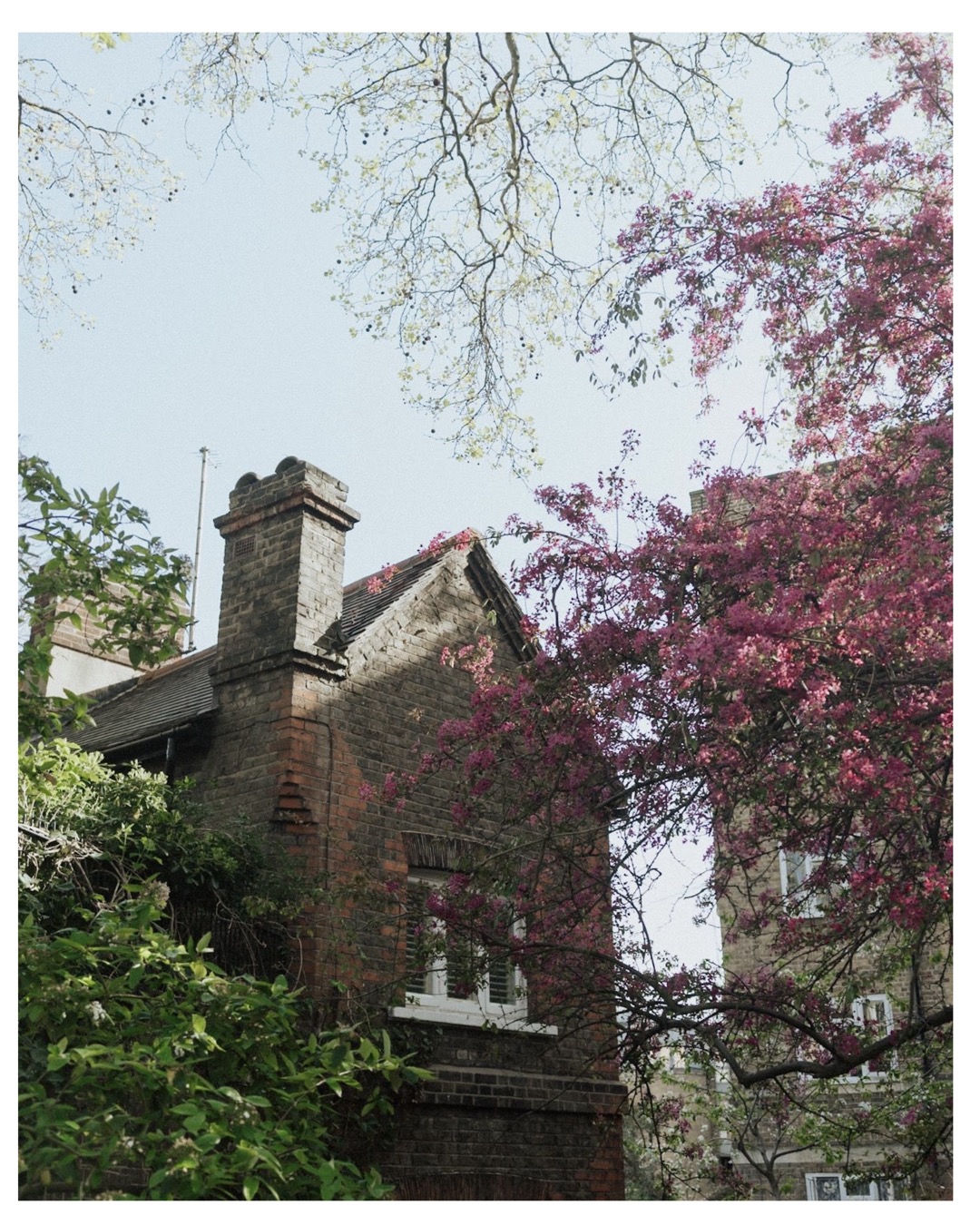
A typical workday as a photographer and videographer – and for most creative professionals – involves a lot of screen time. And that is a huge time-sucker and stressor. From my everyday life I know well how deliberately taking time to pause and really focus on a sense refuels me. My dominant sense is usually sight, but I also like to now and then shift focus to touch or smell.
Seeing properly
This helps me with my creative work at the same time. When I rush, I stop seeing properly. Moments lose depth and meaning.
But when I slow down, I don’t just see more—I see differently, and more creatively. And truly seeing the quality of light and how it makes me feel is just such a happiness trigger for me.
But it doesn’t only benefit me personally—it also benefits my photography and videography. I know from experience that when I am not rushed and well rested, I do notice light better during a shoot and most of all I`m able to be more present with my clients. I make more intentional creative decisions – my creative brain just seems to work much better.
A Rhytm worth practicing
I especially love how John Mark Comer describes how he gets ready for his Sabbath – and this can obviously be any day of the week, as long as it’s practiced in a weekly rhythm:
“The day before is (…) the day of preparation: We gear up, shop, plan, clean, finish up – like we’re getting ready for a holiday. It’s like having Christmas once a week. The last few hours of Friday afternoon are always a bit stressful, but they are mixed with a lot of anticipation. Right before Sabbath starts, I walk through my pre-Sabbath ritual: I go into my home office, clear off my desk, put away my to-do list, power down my computer, turn off my phone, and put it all in the closet. (…)”
Clear Routine
I love that he makes space for transition and deliberate anticipation of enjoying the day. Even though he says the day before his Sabbath is always a bit stressful, it still sounds strangely unrushed to me. Having these clear routines, processes, and principles in place calms life down a lot, I find. It certainly takes practice for me: to deliberately tidy up my desk on a Saturday afternoon, shut down my laptop with the intention of not opening it again until Monday morning—as if I were leaving the office for the weekend.
Ancient Wisdom today
And again, I’m amazed by so much wisdom from these thousands-of-years-old scriptures, which show us so much about how we function best as humans, how we are created, and how we are meant to be. It’s not about religion at all, but about a way of living in harmony with God and our very being—with who we are intended to be.
Rest and Creativity
This spring I want to practice and introduce the habit of closing my laptop on Saturday afternoon, not as a rule, but really as an act of trust. This also means deliberately letting go (again and again, because this is not a well-practised habit for me) of fear of missing opportunities, falling behind, not keeping up with others, and my own expectations. Remembering that better rest doesn’t take me away from my work—it returns me to it with clearer eyes.